





























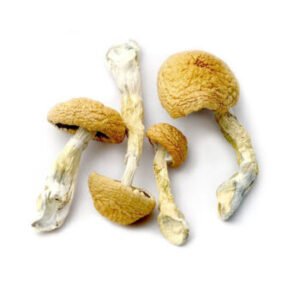
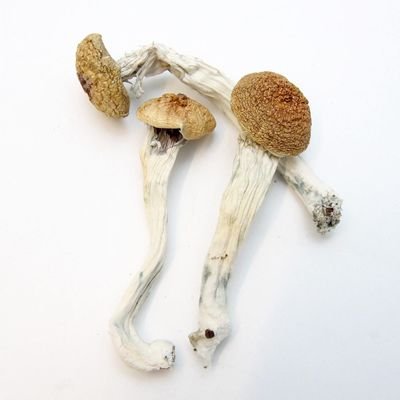
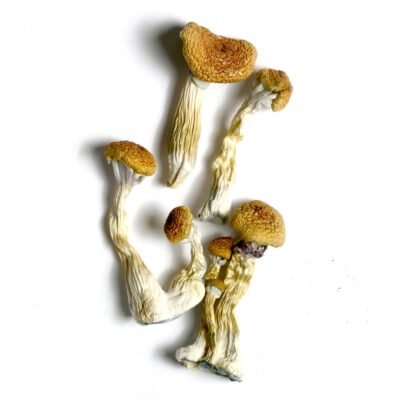
















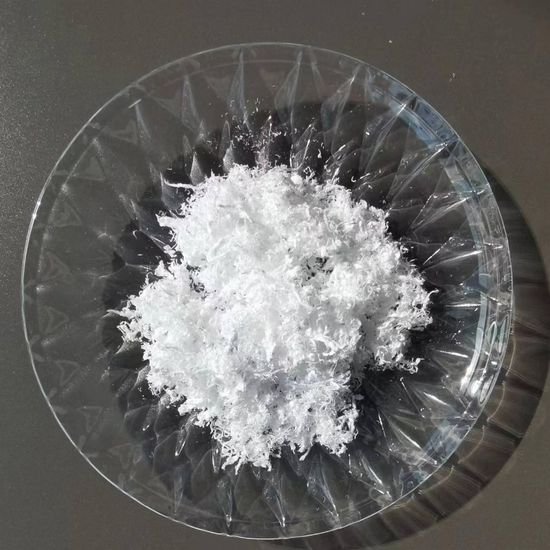
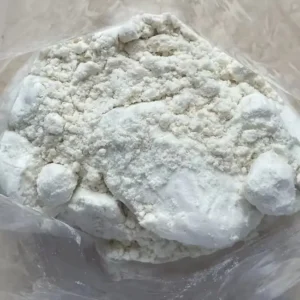
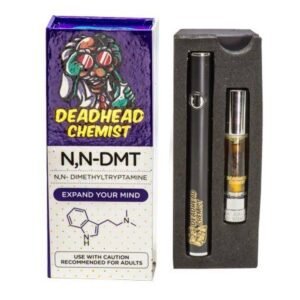
Buy Dimethyltryptamine (DMT)
£29.99
Dimethyltryptamine (DMT) is a powerful psychedelic compound known for intense changes in perception, visual experiences, altered time awareness and profound psychological effects. Experiences can vary significantly in intensity and duration, with potential risks including anxiety, confusion, nausea and increased heart rate.
Buy Dimethyltryptamine UK: Effects, Risks, Legality and What to Know
Buy Dimethyltryptamine (DMT) is a powerful psychedelic compound belonging to the tryptamine family. People searching online for terms such as “Buy Dimethyltryptamine UK”, “Dimethyltryptamine where to buy” or “where can I buy Dimethyltryptamine” may actually be looking for basic information about what DMT is, its effects, risks and legal position. Understanding the difference between commercial search results and reliable drug information is important, particularly in the UK.
This guide provides educational information about DMT UK, including its pharmacology, reported effects, safety considerations and current legal status. It does not provide purchasing or consumption instructions.
What Is Dimethyltryptamine?
N,N-Dimethyltryptamine, commonly known as DMT, is an indole-based tryptamine psychedelic found in a variety of plants and animals. Scientific reviews describe DMT as a serotonergic psychedelic capable of producing profound changes in perception and consciousness.
DMT is chemically related to other psychedelic tryptamines, but it is not identical to 5-MeO-DMT. Although their names are similar, they are separate compounds with different pharmacological profiles. Information about one should therefore not automatically be applied to the other.
DMT Effects
Understanding DMT effects is an important part of responsible drug education. Research describes DMT as a fast-acting psychedelic associated with substantial changes in sensory perception, consciousness and subjective experience. Experiences may involve visual phenomena, altered time perception, intense emotions and changes in the sense of self.
The nature and intensity of an experience can vary considerably. Individual physiology, psychological state, circumstances, other substances and the composition of a substance can all affect outcomes.
Recent research continues to investigate DMT in controlled clinical settings. A 2025 systematic review of early clinical trials found physiological changes such as increased heart rate and blood pressure alongside psychedelic effects, while emphasising that the evidence base remains limited and further research is required.
DMT Risks and Safety
The DMT risks associated with psychedelic experiences should not be overlooked. Possible concerns include anxiety, panic, confusion, psychological distress and impaired judgement. Strong alterations in perception can also make it difficult to respond appropriately to unexpected circumstances.
Drug interactions are another consideration. DMT’s pharmacology involves serotonin systems, and scientific literature has examined interactions involving monoamine oxidase inhibitors and other substances. This is particularly relevant when considering medicines or combinations of psychoactive substances.
Unknown composition or purity can introduce additional uncertainty. A product’s description online is not, by itself, reliable evidence of its identity, contents or safety.
DMT and Mental Health
Psychedelic experiences can be psychologically intense. Research into DMT and other psychedelics is developing, including investigation into potential therapeutic applications, but clinical research should not be confused with unsupervised use.
People with existing or previous mental-health concerns, or those taking prescription medicines, should discuss relevant questions with a qualified healthcare professional. Current evidence does not justify assuming that psychedelic substances are suitable or safe for everyone.
Is DMT Legal in the UK?
The DMT legality UK question has a clear answer under current GOV.UK controlled-drug information. N,N-Dimethyltryptamine (DMT) is listed as a Class A controlled drug and is placed in Schedule 1.
UK controlled-drug legislation covers different activities, including possession, supply and production, with offences and penalties depending on the circumstances. Authorised research and other legitimate activities can operate under specific licensing arrangements.
Consequently, descriptions such as “research chemical”, “natural psychedelic” or “legal high” should not be treated as proof that DMT is legal. Anyone seeking specific legal advice should consult current UK Government guidance or a qualified legal professional.
DMT vs 5-MeO-DMT
DMT and 5-MeO-DMT are different psychedelic tryptamines. DMT is N,N-dimethyltryptamine, while 5-MeO-DMT contains an additional methoxy group and has a distinct pharmacological profile. Research describes 5-MeO-DMT as acting particularly at serotonin 5-HT1A and 5-HT2A receptors.
The distinction matters because effects, risks, research findings and legal classifications should be considered separately.
Where to Find Reliable DMT Information
People searching “where can I buy Dimethyltryptamine” may encounter commercial pages, anonymous forums and social-media claims. These should not be treated as substitutes for authoritative drug information.
For reliable information about DMT UK, readers can consult GOV.UK’s controlled-drug information and peer-reviewed scientific research available through PubMed. Scientific reviews provide information about DMT pharmacology, subjective effects, adverse effects and ongoing research.
UK Psychedelic & Drug Information Resources
Useful sources include GOV.UK, NHS services, FRANK, universities, recognised drug-information organisations and peer-reviewed scientific literature. When researching psychoactive substances, prioritise sources that identify their evidence and limitations rather than pages making unsupported claims.
Frequently Asked Questions
What is Dimethyltryptamine?
DMT is a potent serotonergic psychedelic belonging to the tryptamine family. It is known for producing profound and often short-acting changes in perception and consciousness.
What does DMT do?
Reported DMT effects can include major alterations in perception, visual experiences, changes in time perception and intense subjective or emotional experiences.
What are the risks of DMT?
Potential concerns include psychological distress, anxiety, confusion, impaired judgement and physiological effects. Interactions with other substances or medicines may also be important.
Is DMT the same as 5-MeO-DMT?
No. They are chemically distinct psychedelic tryptamines with different pharmacological profiles.
Is DMT legal in the UK?
Current GOV.UK information lists N,N-DMT as a Class A, Schedule 1 controlled drug.
What does Schedule 1 mean?
Schedule 1 is a category within the UK’s controlled-drug framework. It concerns substances considered to have limited recognised therapeutic use and is associated with strict controls, although authorised research and other activities can occur under appropriate licences.
Can DMT interact with other substances or medicines?
Potentially. DMT’s serotonergic pharmacology means interactions can be clinically relevant, particularly with some medicines and psychoactive substances.
Why be cautious about online DMT claims?
Online descriptions may omit legal information, risks, uncertainty about composition or limitations in the scientific evidence. Government and peer-reviewed sources provide a more reliable basis for understanding DMT.
Educational disclaimer: This article is for general drug education and harm-reduction purposes. It is not medical or legal advice and does not provide instructions for obtaining, preparing, dosing or consuming DMT. UK laws can change, so consult current GOV.UK guidance or an appropriately qualified professional for specific legal or health questions.
Be the first to review “Buy Dimethyltryptamine (DMT)”
Related products
Reviews
There are no reviews yet.