





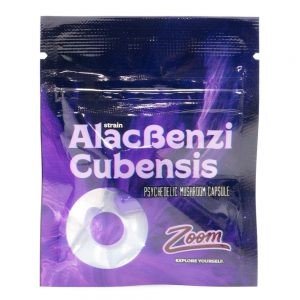

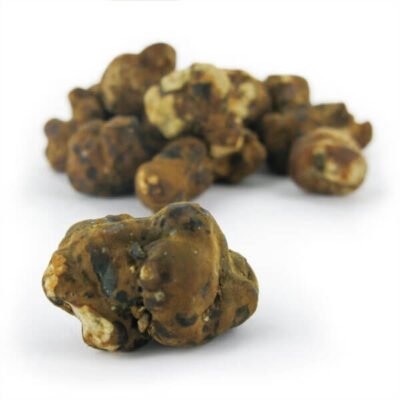
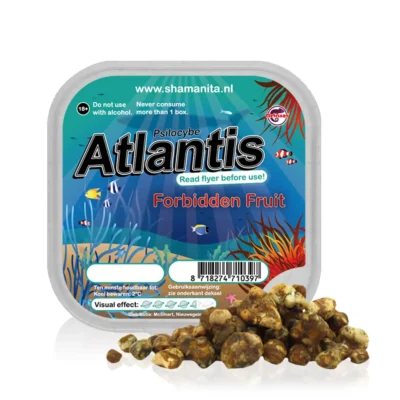
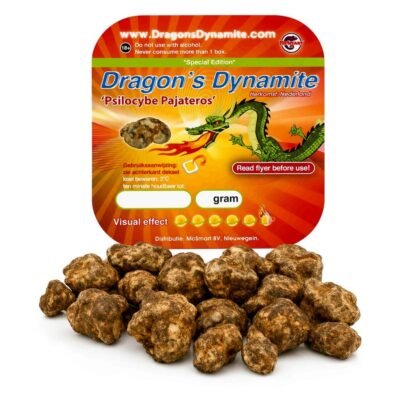
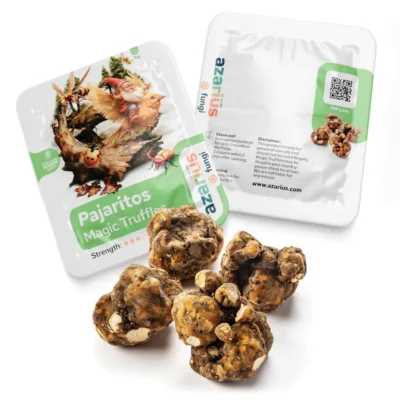
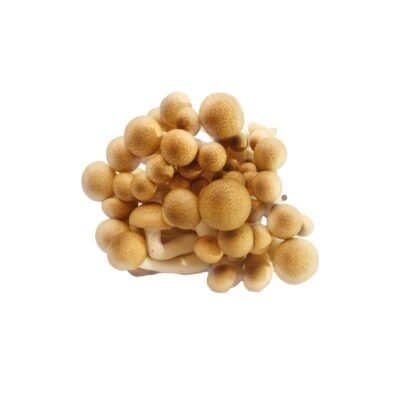
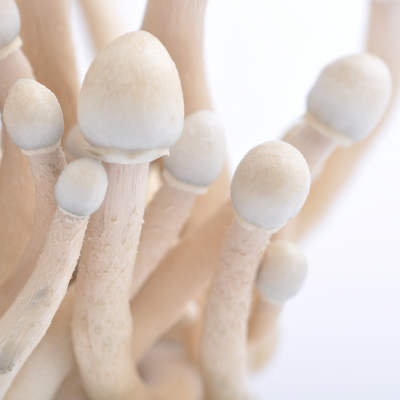
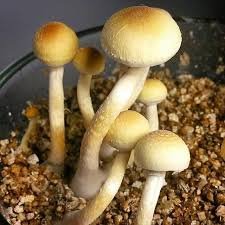
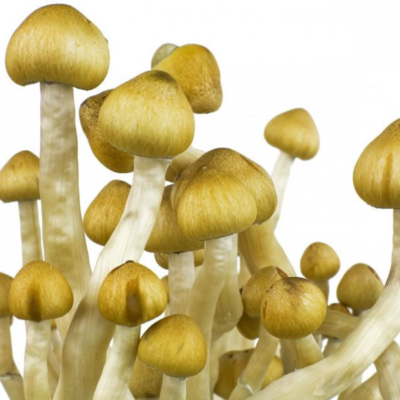
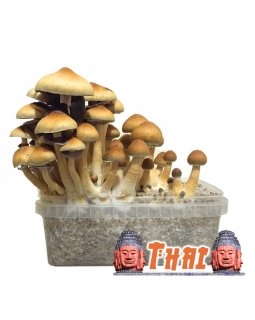
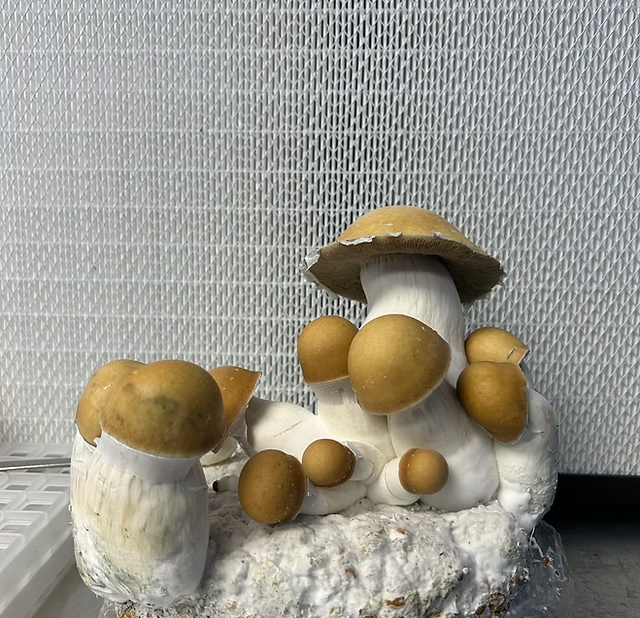
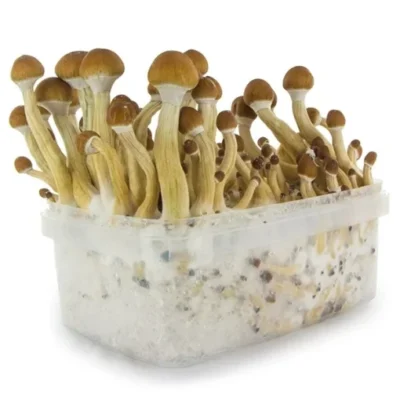
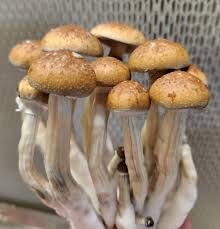
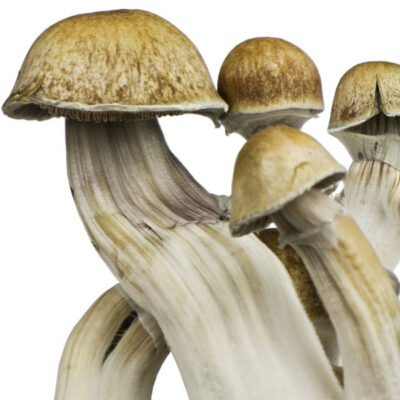
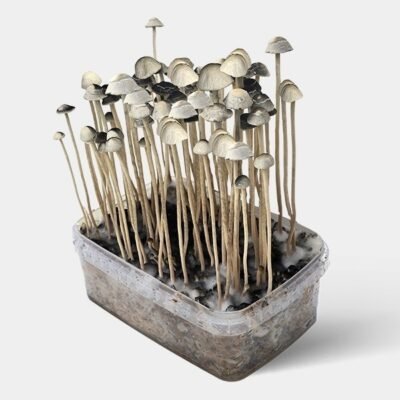
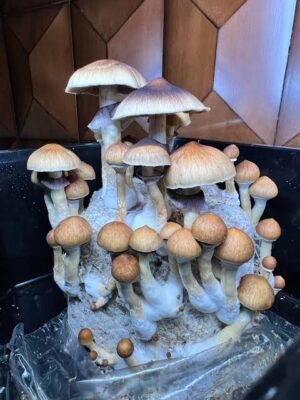
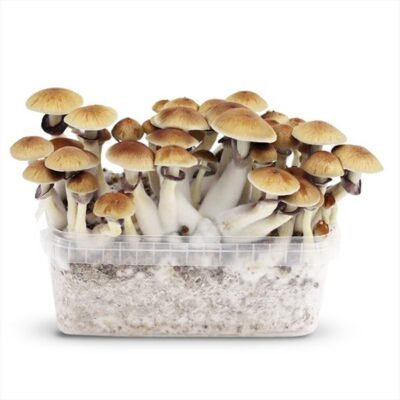
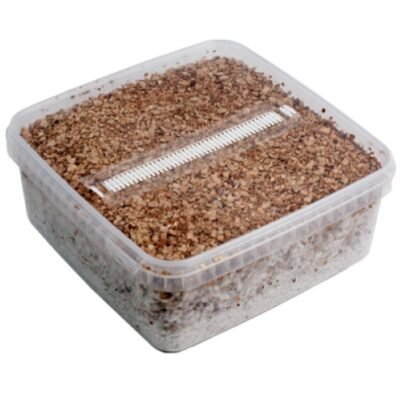
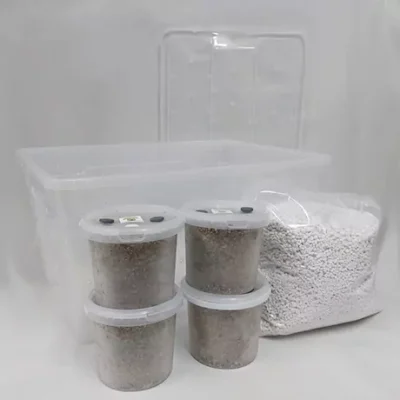
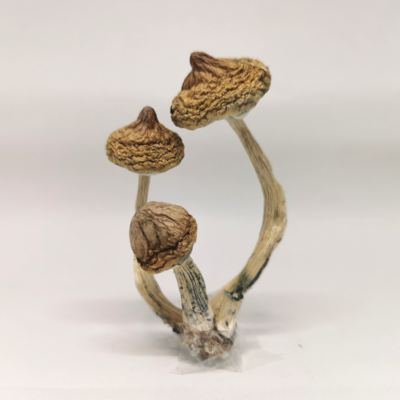
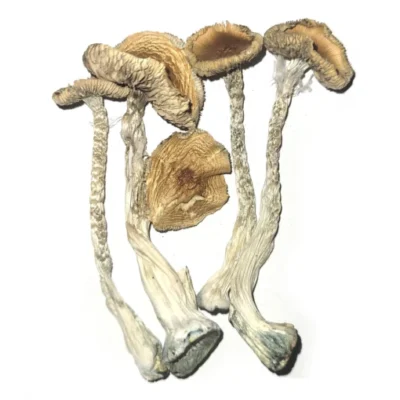
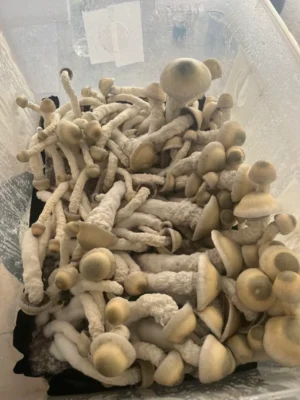
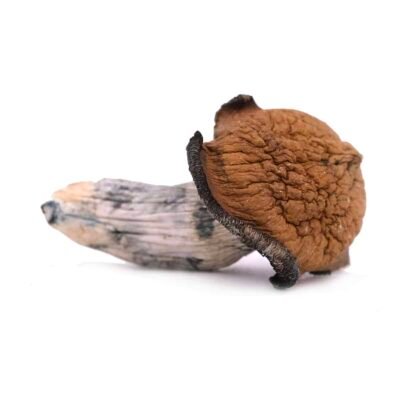
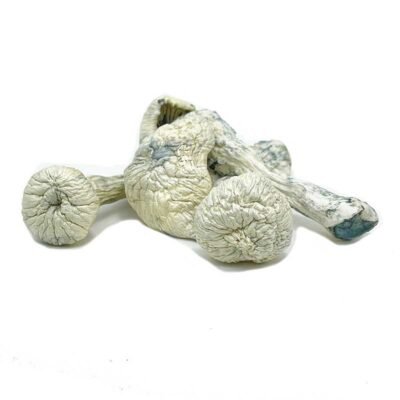
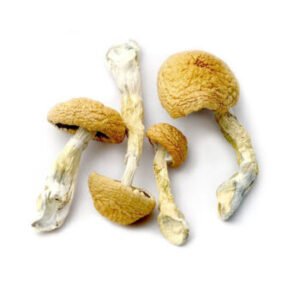
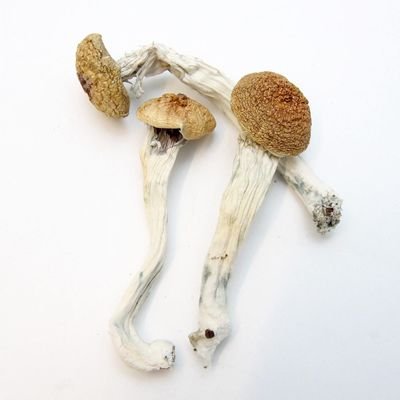
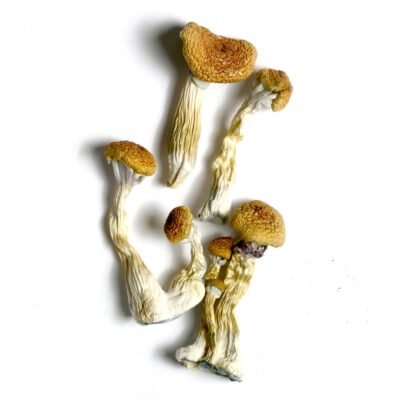
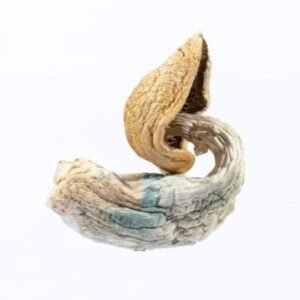
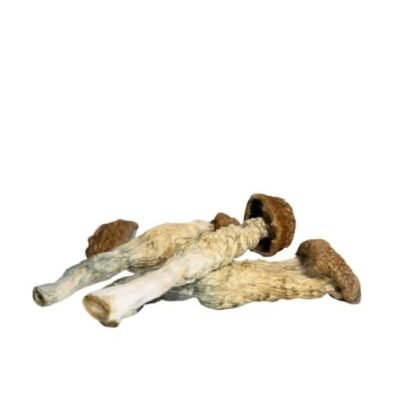
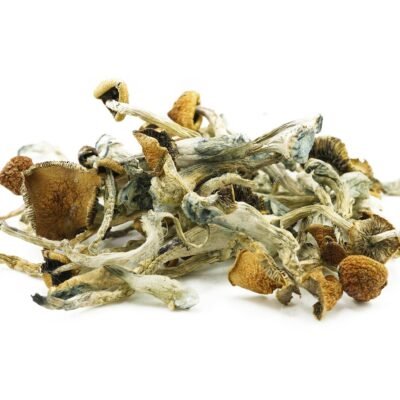
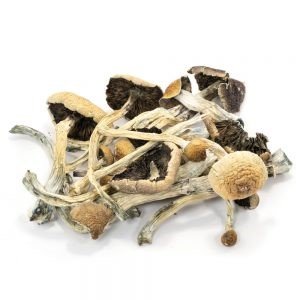
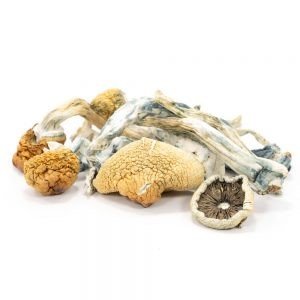
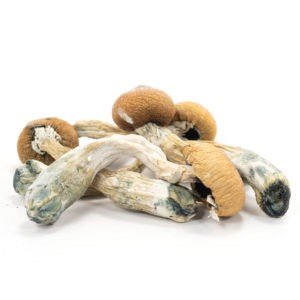
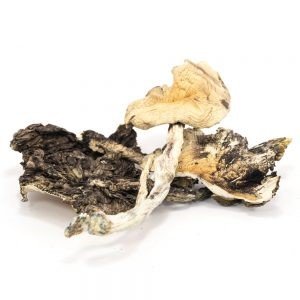
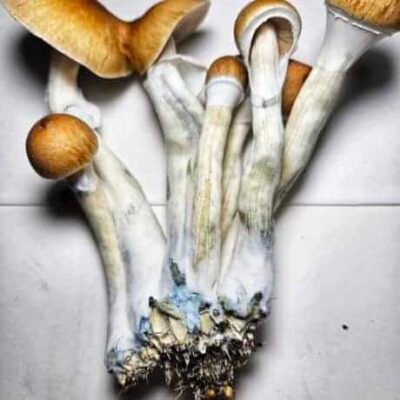
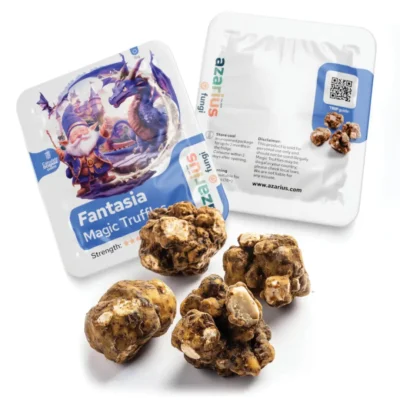
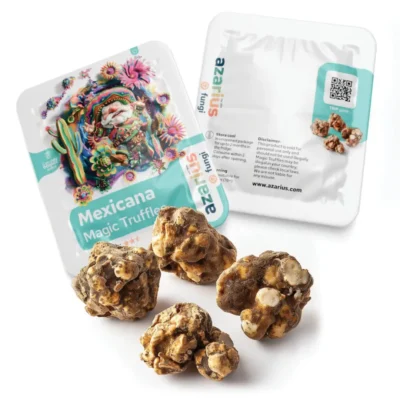





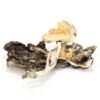
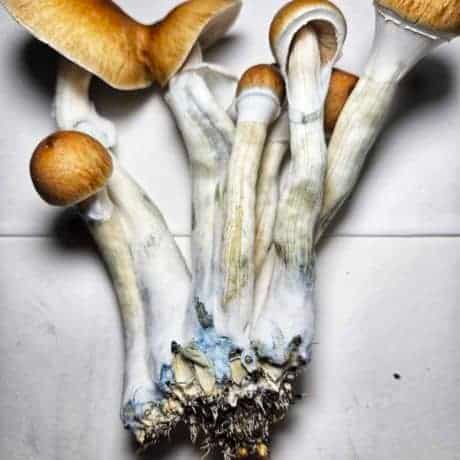
50grams Psilocybin cubensis Amazonian
£270.00
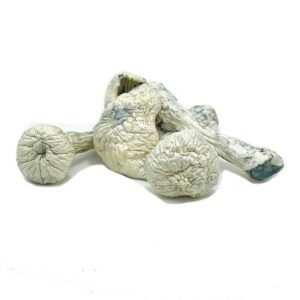
50grams Psilocybin cubensis Amazonian delivers a certified bulk mycology reference specimen engineered for advanced taxonomic research, microscopic study, and specialized laboratory archiving. Featuring verified South American equatorial genetics, robust cellular density, and exceptional structural consistency, this high-purity 50g sample ensures reliable performance for your institutional research and catalog standards.
50grams Psilocybin cubensis Amazonian: Bulk Tropical Rainforest Genetics, Taxonomic Reference Specimens & Microscopy Standards UK
The systematic exploration of heavy-yielding South American tropical rainforest genetics, robust fungal isolates, and advanced bulk microscopic reference materials across the United Kingdom requires reliable access to certified, highly purified botanical and mycology reference stock. Among renowned Amazonian baseline isolates originating from high-humidity equatorial ecosystems, 50grams Psilocybin cubensis Amazonian (frequently studied by ethnobotanical collectors, mycology research groups evaluating bulk sample parameters, examining robust fruit body development under controlled conditions, or analyzing unique phenotypic traits adapted to dense tropical substrates) stands out as a critical focal point of academic research, spore classification, and taxonomy. For authorized mycology laboratories, botanical catalog curators, and microscopy enthusiasts, securing a dependable 50g supply of high-purity reference material ensures reproducible parameters for cellular identification, structural analysis, and slide calibration.
Engineered strictly for laboratory microscopy, educational research, and taxonomic reference cataloguing, this specialized 50-gram specimen delivers uniform cellular density and exceptional genetic consistency. Rather than navigating uncertain supply channels or general marketplaces advertising unverified material, procuring certified reference stock through licensed institutional channels guarantees absolute adherence to British compliance standards and precise metrics for analytical observation.
Mycological Profiling & Isolate Structure Mechanics
Scientifically classified under the family Hymenogastraceae, South American tropical Psilocybe cubensis lineages feature characteristic large, robust cap structures, thick stipes, and dark purplish-brown spores measuring approximately 11.5–17 by 8–11 micrometres. In professional research environments, analytical mycology teams evaluate spore germination patterns, mycelial colonization vigor across bulk substrates, and thermal tolerance thresholds. When researchers examine bulk reference inventory, common academic inquiries frequently evaluate alkaloid distribution metrics or address procedural questions regarding analytical dosing equivalents, such as evaluating how much cubensis Amazonian to take within strictly controlled pharmacological extraction models versus pure microscopic observation. Furthermore, specialists carefully document formal strain classifications, tracking variations under cubensis Amazonian, premium selections labeled Amazonian cubensis, scientific nomenclature abbreviations like p cubensis amazonian, and historical commercial isolate registries including psilocybe cubensis pes amazonian.
When structuring analytical comparative studies, researchers frequently benchmark macroscopic morphology against historical equatorial isolates or cross-examine basidia development with related saprophytic fungi. To review peer-reviewed literature examining mycological spore morphology, basidia development, and fungal reproduction patterns, consult this detailed reference guide on mycological spore morphology, basidia development, and fungal reproduction patterns.
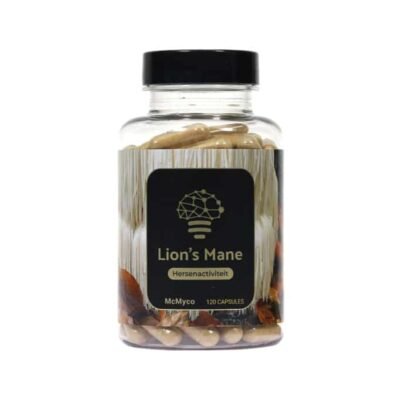
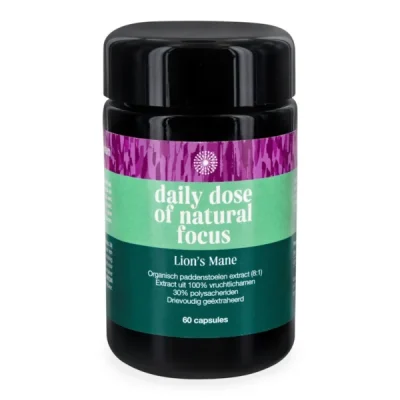
To complement an analytical catalog centered around advanced botanical study, mycology, and cognitive structures, many UK investigators regularly review complementary laboratory options such as Lion’s Mane Mushroom Capsules or specialized nootropic preparations like Mushroom For Brain Health Capsules.
UK Regulatory Framework & Laboratory Protocols
All botanical specimens, mushroom samples, and specialized reference materials distributed throughout the United Kingdom are subject to stringent national oversight under the Misuse of Drugs Act and consumer protection standards. While raw spores and analytical reference specimens exist within distinct legal frameworks, handling of bulk cubensis Amazonian stock for research must remain strictly confined to accredited laboratories, educational microscopy units, and authorized institutions conducting non-consumption or approved analytical study.
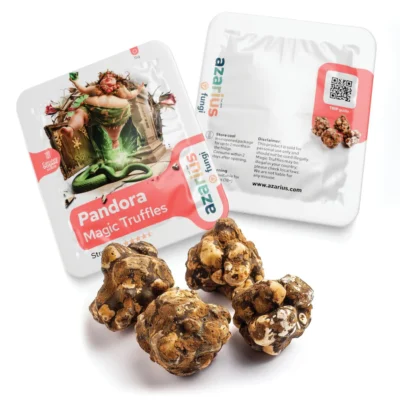
Our online catalogue connects specialized research guides, alternative botanical lines, and high-purity laboratory specimens. Researchers exploring related catalog categories frequently review our broader selection of Mushrooms Capsules, micro-measurement options like Microdose Mushrooms, rare sclerotia profiles such as Pandora Truffles, and classical research strains like Golden Teacher Mushroom. Mycology cultivation hobbyists can also inspect our legal Magic Mushroom Grow Kit.
Additionally, market analysis across alternative research channels highlights frequent cross-appraisal between mycology investigators and specialized liquid or pharmaceutical research compounds. Catalog visitors routinely evaluate liquid analytical profiles such as LEAN PURPLE DRANK, assess administrative references to Buy Wockhardt Online, or analyze pharmaceutical reference standards like Codeine Phosphate 30mg 7Boxes. Cross-market reviews extend to synthetic reference groups, including evaluations matching Buy ecstasy pills, high-density presses like Xtc pills, and alternative crystalline standards such as MDMA ROCK.
Technical Specifications Table
| Specification Parameter | Technical Standard / Feature Value |
| Product Identifier | Amazonian Cubensis Bulk Reference Specimen |
| Net Quantity | 50 Grams Precision-Sealed Research Unit |
| Geographic Origin | Amazon Basin, South America (Equatorial Isolate) |
| Morphological Profile | Robust Cap Structure, Thick Stipe, Dense Cellular Matrix |
| Form Factor | Dehydrated Bulk Analytical Mycology Specimen |
| Quality Compliance | Strict Non-Consumption Laboratory Research & Archival Use Only |
Recommended Storage & Preservation Guidelines
For professional bulk botanical archives and analytical storage environments, keep dehydrated specimen units sealed in airtight, moisture-proof, light-resistant containers stored in a cool, dark, temperature-controlled environment between 2°C and 8°C. Proper containment prevents moisture reabsorption, oxidation, and cellular degradation during long-term reference archiving.
Be the first to review “50grams Psilocybin cubensis Amazonian”
Related products
Reviews
There are no reviews yet.