

















































































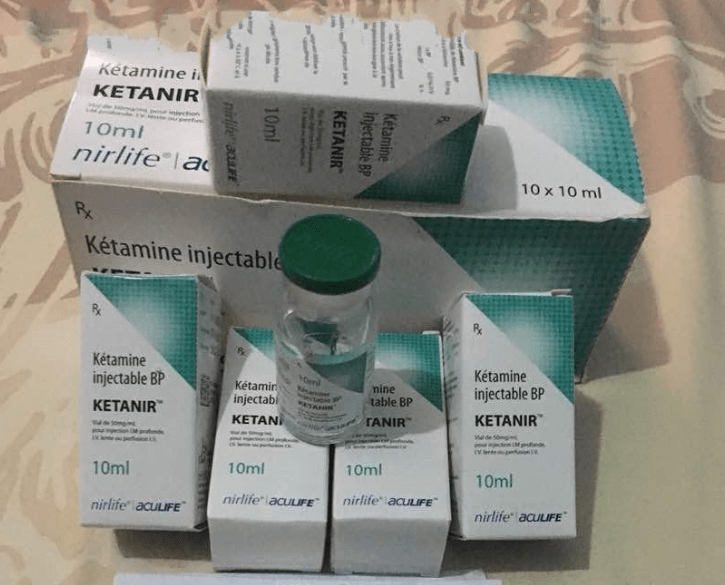
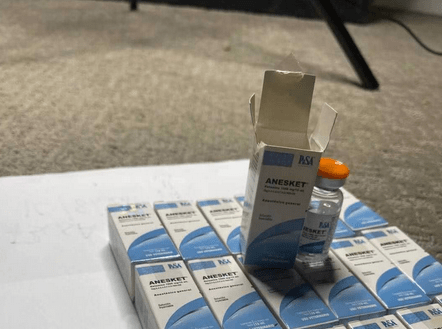
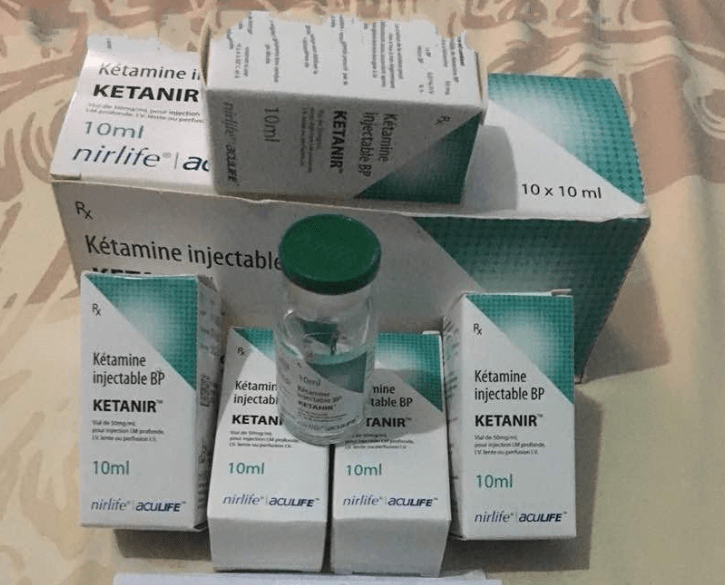
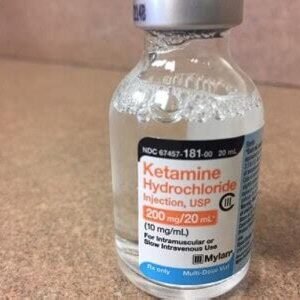
Liquid Ketamine HCL, 1L (3grams) 1 bottle = 10ml = 1g
£200.00
Ketamine hydrochloride is a controlled prescription anaesthetic with dissociative and analgesic properties. Under specialist supervision, it may cause sedation, altered perception and pain relief; possible side effects include dizziness, nausea, hallucinations, increased heart rate or blood pressure, and urinary problems.
Liquid Ketamine (Hydrochloride): regulated medical information
Overview of Liquid Ketamine
Ketamine liquid (hydrochloride) is a prescription medicine used by appropriately trained healthcare professionals in specific clinical circumstances. In the UK, ketamine is a controlled medicine and remains classified as a Class B substance under the Misuse of Drugs Act 1971. Its use is subject to prescribing, storage, record-keeping, pharmacy, and professional-governance requirements.
The phrase liquid ketamine ketamine hydrochloride medicine refers to a pharmaceutical formulation containing ketamine hydrochloride as its active ingredient. The formulation, strength, packaging, and clinical use must be authorised and appropriate for the intended patient and setting. A product described as “ketamine” online is not necessarily licensed, genuine, sterile, correctly labelled, or suitable for human use.
People researching prescription ketamine UK services should verify that they are dealing with a properly authorised provider and that a registered clinician has completed an appropriate assessment. Online descriptions cannot establish whether ketamine is suitable for an individual.
Licensed medical use
Ketamine has established uses in anaesthesia and may be used by specialist teams for carefully selected clinical purposes. Some services may consider ketamine-based interventions under particular regulatory and professional frameworks, but the indication, evidence base, licensing position, and oversight can vary.
A licensed ketamine treatment pathway should explain the proposed use, alternatives, expected benefits, uncertainties, possible adverse effects, follow-up arrangements, and routes for raising concerns. Patients should receive clear information about who is responsible for prescribing and monitoring their care.
Ketamine should never be presented as a general wellness product or as a substitute for standard medical treatment. Claims about treating pain, depression, anxiety, or other conditions require appropriate clinical evidence, lawful advertising, and professional oversight.
Eligibility and clinical assessment
A qualified clinician should review a patient’s medical history, current symptoms, mental-health history, medicines, allergies, substance-use history, cardiovascular status, and relevant risk factors before considering treatment. The assessment should also consider whether another diagnosis or treatment would better explain or address the patient’s symptoms.
A responsible service will explain consent, monitoring, follow-up, and when treatment should be stopped or reconsidered. Patients should answer clinical questions honestly and disclose all medicines, alcohol use, and non-prescribed substances because interactions and combined impairment can create serious risks.
No online product page can determine eligibility or provide a safe individual treatment plan.
Important safety information
Ketamine can affect awareness, judgement, coordination, memory, perception, blood pressure, and pulse. Possible acute effects include confusion, disorientation, sedation, hallucinations, nausea, vomiting, loss of coordination, and impaired responsiveness. In severe cases, ketamine may contribute to respiratory depression, unconsciousness, or convulsions.
Combining ketamine with alcohol, opioids, sedatives, benzodiazepines, or other central-nervous-system depressants can increase the risk of dangerous sedation and breathing problems. Patients should follow the instructions of their prescriber and seek urgent medical help if someone becomes difficult to wake, has abnormal or slow breathing, experiences a seizure, or appears seriously unwell.
This ketamine safety information is not comprehensive. The manufacturer’s authorised product information and the patient’s clinician should be treated as the primary sources for medicine-specific advice.
Side effects and risks
Ketamine side effects may be temporary or persistent, depending on the medicine, clinical context, individual health, and pattern of exposure. Repeated or non-medical use has been associated with dependence, worsening mental health, memory difficulties, abdominal pain, urinary symptoms, and serious bladder damage. NHS information describes ketamine-related bladder problems as potentially involving frequent urination, pain, inflammation, ulceration, and incontinence.
Anyone experiencing urinary urgency, painful urination, blood in the urine, lower abdominal pain, or unexplained changes in bladder function should seek medical advice promptly. These symptoms should not be ignored or self-treated.
Storage and handling by professionals
Ketamine should be stored, documented, supplied, and handled only by appropriately authorised healthcare or pharmacy professionals, in accordance with applicable UK controlled-drug requirements and the product’s authorised instructions. Patients should not transfer, repackage, dilute, inject, vaporise, swallow, or otherwise alter a ketamine medicine.
A regulated provider should maintain suitable governance, staff competence, clinical records, stock controls, incident procedures, and arrangements for safe disposal. The Care Quality Commission provides information about regulated healthcare providers and registration requirements in England.
How to seek legitimate medical advice
If you are considering treatment involving ketamine, speak to your GP, a hospital specialist, or an appropriately regulated healthcare provider. Ask who prescribes the medicine, whether the service is authorised for the treatment offered, what alternatives exist, how risks are monitored, and how follow-up care is arranged.
For general UK medicines information, consult GOV.UK, the NHS, the Medicines and Healthcare products Regulatory Agency, and the Care Quality Commission. A controlled medicine UK provider should be transparent about its authorisation and should direct patients to speak to a qualified clinician rather than encouraging unsupervised use.
Be the first to review “Liquid Ketamine HCL, 1L (3grams) 1 bottle = 10ml = 1g”
Related products


Reviews
There are no reviews yet.